IMPACT OF THE SILK ROAD ON MODERN NATIONS AND IDENTITIES
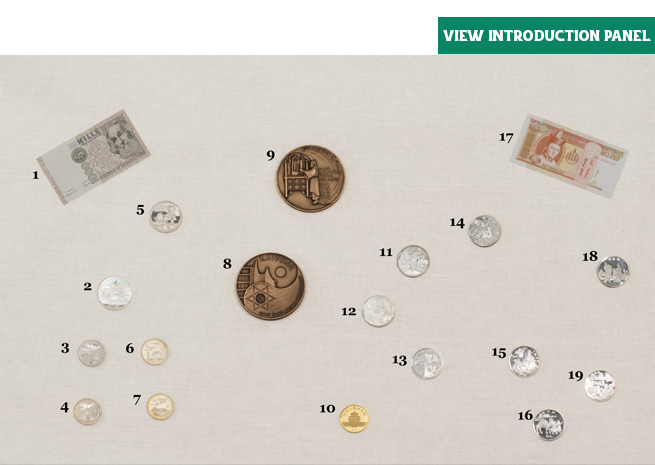
The Silk Road helped shape the foundations of many modern nations by linking distant cultures through trade, shared technology and economic exchange. Cities that once served as caravan hubs – like Samarkand, Xi’an, and Istanbul – still carry the architectural, linguistic & cultural imprints from centuries of cross-cultural interaction. Monetary systems evolved as coins, paper money and financial instruments moved between nations, influencing how states taxed, traded and governed. Today’s global currencies, customs and even national identities – rooted in a history of exchange and adaptions – owe much to the commercial and cultural threads first woven along the Silk Road.
LIST OF UNESCO/WORLD WONDERS ALONG THE SILK ROAD:
Trans-National Sites:
China:
Central Asia:
|
South Asia:
|
Did You Know?
It’s estimated that roughly 16 million men alive today (0.5% of the world’s male population) are related to Genghis Khan. The rapid spread of this distinctive Y-chromosome is attributed to Genghis Khan’s enormous empire, many wives & concubines, and the elevated status of his descendants, who continued to hold power and reproduce prolifically for generations.
UNIVERSAL ITEMS SHARED ON THE SILK ROAD:
Many things we use, eat, wear and believe today owe their origins to Silk Road trade. In short, the Silk Road didn’t just carry goods, it carried civilization itself, weaving together the global fabric of today.
|
Arabic Numerals (via India):
|
Paper & Printing:
|
Did You Know?
Jews first settled in Kaifeng (city in Henan province; the imperial capital during China’s Northern Song dynasty) between 960 and 1126, building the first synagogue in 1163. Silk Road traders, likely from Persia, they initiated 1,000 years of peaceful Jewish presence in China. In a modern parallel, 20,000 European Jews found safe haven in Shanghai during World War II. Like their ancient predecessors, they created a vibrant community that maintained their culture, spread European traditions within China (especially classical music) and adopted the Chinese language and lifestyle.
Click on the items in the case image below for an enhanced view